
In Summary
- An open for inspection is an important opportunity for buyers to look beyond presentation and assess a property’s condition, natural light, storage, layout and surrounding environment.
- In NSW, a contract for sale must be prepared before a residential property is offered for sale and agents are required to disclose prescribed material facts and answer buyers’ questions honestly and accurately.
- Across Lane Cove, Longueville, Riverview, Northwood, Gladesville and Hunters Hill, local considerations such as sloping blocks, road noise, strata records and heritage controls can influence a property’s suitability and future potential.
More Than a Viewing
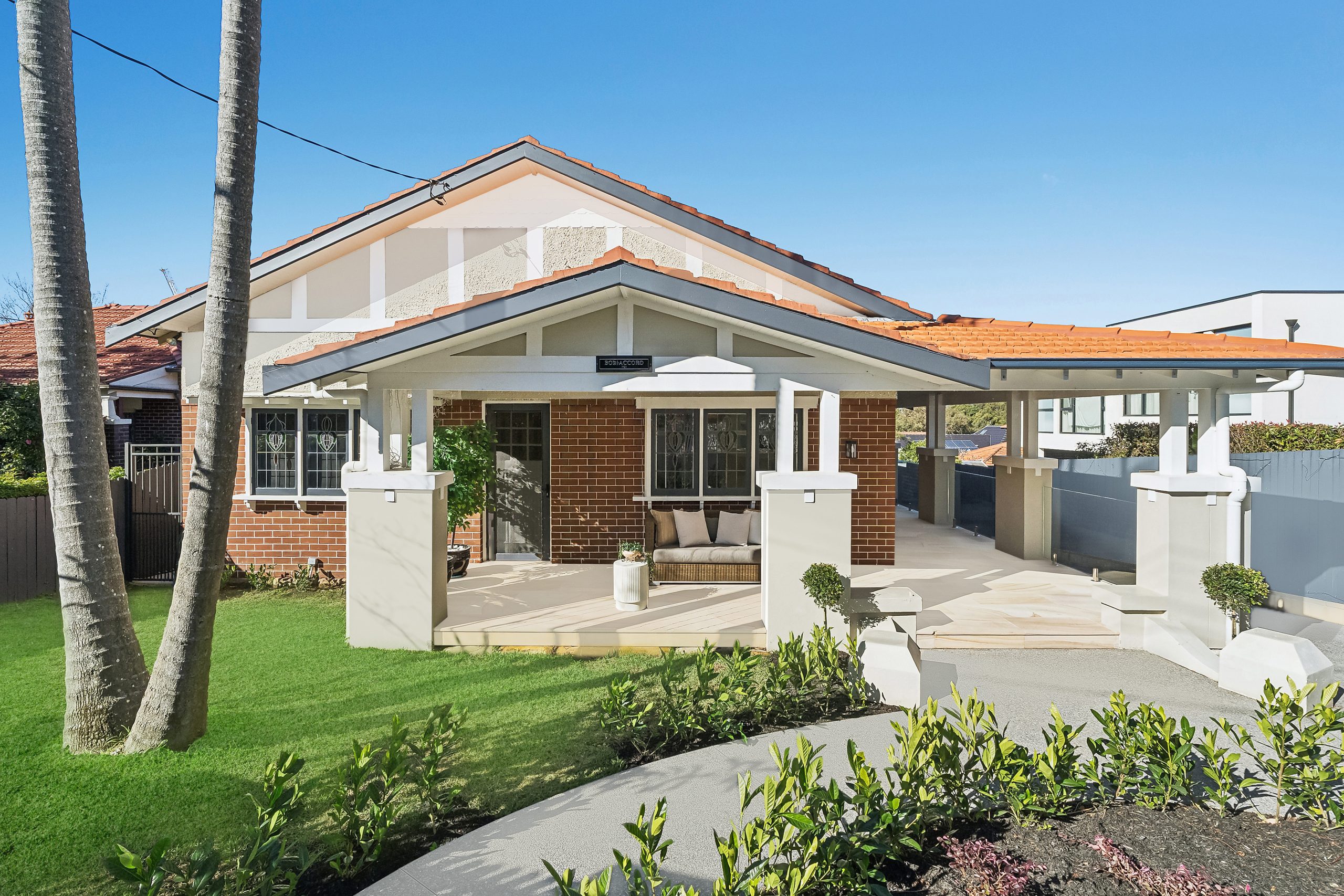
Walking into a beautifully presented home can make it easy to imagine living there. However, an open for inspection is about more than first impressions. It is an opportunity to assess the property’s condition, layout, surroundings and ask important questions before making a decision.
In New South Wales, a residential property cannot be offered for sale until a contract has been prepared. NSW Fair Trading also requires agents to disclose prescribed material facts and answer buyers’ questions honestly and accurately.
Good styling helps showcase a property at its best, allowing buyers to picture their own lives in the space. However, it is equally important to focus on the features that will remain long after the furniture has gone.
Read the Structure, Not the Styling
Fresh paint and carefully selected furnishings can enhance a home’s presentation, but they do not necessarily reflect its underlying condition.
Look for cracks around door frames and windows, doors that stick or fail to close properly and signs of water staining on ceilings or walls. Check wardrobes and cupboards for musty smells, which may indicate moisture or ventilation issues. A freshly painted section of an otherwise older wall may also warrant a question.
Where a property sits on a slope, as many do in the leafy streets of Riverview, Northwood and Longueville, pay particular attention to drainage, retaining walls and the lower levels of the home.
These observations can help identify areas requiring further investigation, but they do not replace a professional building and pest inspection.
Light, Storage and Noise
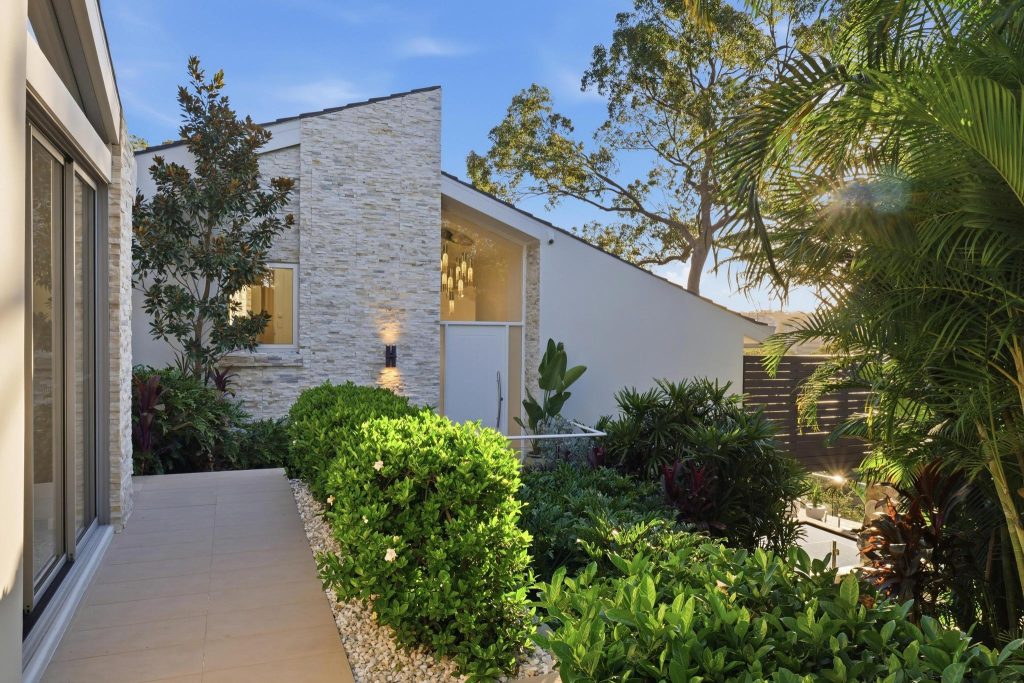
Natural light can significantly influence how a home feels. While improvements may be possible through renovations, a property’s orientation and surrounding buildings will largely determine how much sunlight it receives.
Consider which direction the main living areas face, as north-facing rooms generally benefit from winter sunlight in Sydney. Pay attention to how much artificial lighting is being used during the inspection and, where possible, revisit the property at a different time of day.
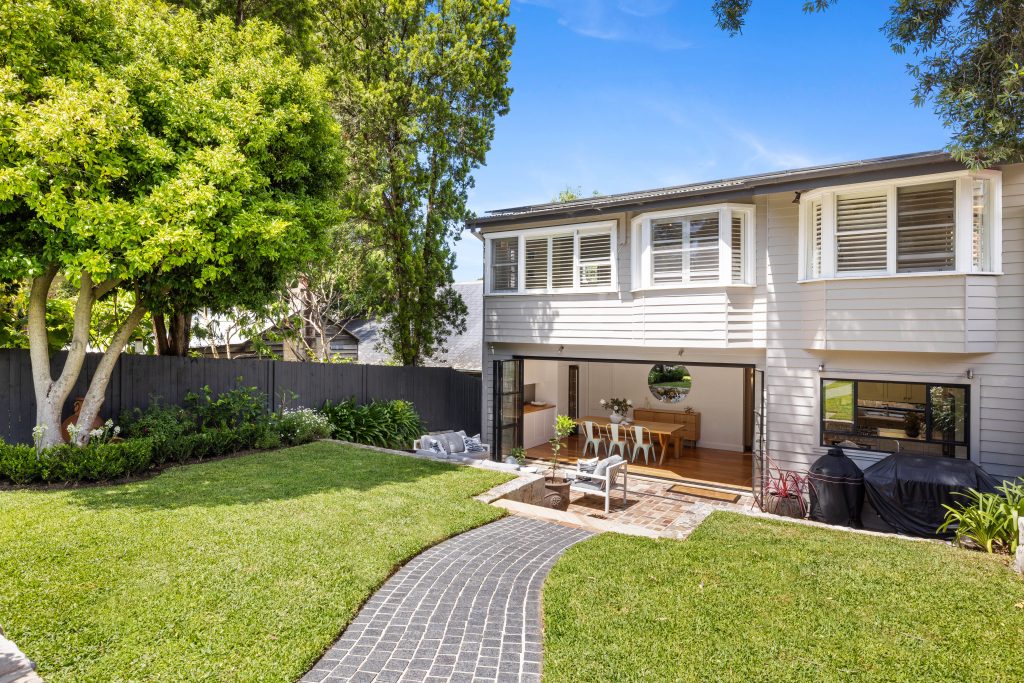
Storage is another important consideration. Homes are often decluttered for photography and inspections, so take time to assess the available wardrobes, linen cupboards, laundry storage and other practical spaces.
For apartments, confirm whether a storage cage and car space are included in the sale and check their location and accessibility.
Noise also deserves careful consideration. A Saturday morning inspection may not reflect weekday traffic or surrounding activity. For properties near busy roads such as Victoria Road in Gladesville, spend time in the bedrooms with windows both open and closed and consider revisiting during peak periods.

The Questions Worth Asking
A well-run open home should welcome questions. Asking the right ones can help buyers make informed decisions and identify matters requiring further investigation.
Can I see the contract for sale? In NSW, the contract includes important documents such as the title search, drainage diagrams and planning certificate. Your solicitor or conveyancer should review the contract before exchange.
Are there any material facts I should know about? NSW agents are required to disclose certain prescribed material facts that may influence a buyer’s decision, including specific circumstances involving flooding, bushfire and loose-fill asbestos insulation. Buyers should also ask direct questions about any concerns they may have.
How is the property being sold? Understanding whether the property is being offered by private treaty or auction is important, as different contractual conditions and cooling-off provisions may apply.
Is a building and pest inspection report available? A professional inspection can identify potential structural defects, moisture issues and timber pest activity that may not be visible during an open home. Buyers should consider obtaining independent professional advice.
Is a strata inspection report available? For apartments and other strata properties, review the owners corporation’s financial position, levies, capital works fund, planned maintenance, special levies and any known disputes or building defects.
Have any major renovations or additions been approved? For properties with extensions, structural alterations or significant renovations, ask whether relevant approvals and supporting documentation are available.
What is included in the sale? Confirm which fixtures, fittings and other items are included and ensure any agreed inclusions or exclusions are clearly recorded in the contract.
Seeing Potential Clearly
When assessing a property, it helps to distinguish between features that can be updated and those that are generally difficult to change.
Paint, flooring, lighting and kitchens can often be improved over time. However, orientation, aspect, block shape and street position deserve careful consideration when assessing a property’s long-term suitability.
Potential also depends on what you are permitted to do.
Hunters Hill has seven heritage conservation areas, including one covering Gladesville Village, along with 515 local heritage items listed under the Hunters Hill Local Environmental Plan 2012. Alterations to properties affected by heritage controls may require additional approvals.
The planning certificate attached to the contract is a useful starting point for understanding relevant planning restrictions. Our guide to positioning heritage homes offers further local context.
In Lane Cove, including Lane Cove West and Lane Cove North, strata records can provide valuable insight into an apartment building’s financial position, maintenance history and future works. Requesting these records early allows time to review any issues before proceeding with a purchase.
Practical considerations also matter. Parking arrangements, steep driveways, accessibility and surrounding development can all influence how comfortably a property meets your needs.
Buying With Confidence

At Ella Elias Property Group, we would rather a buyer ask the difficult question at the open home than discover the answer after exchange. Honest answers build the kind of trust that lasts well beyond a single transaction.
You can browse our upcoming inspections across Longueville, Lane Cove, Riverview, Northwood, Gladesville and Hunters Hill, or speak with our team about registering your property requirements, including homes that may be introduced off-market before they are advertised.
Frequently Asked Questions
How many times should I inspect a property before making an offer?
Where possible, inspect a property at least twice, ideally at different times of day. A second visit allows you to assess changes in natural light, surrounding noise and other details that may have been overlooked during the initial inspection.
Can I ask to see the contract at an open home?
Yes. In NSW, a residential property cannot be offered for sale until a contract has been prepared. Buyers can request a copy from the selling agent and should arrange for their solicitor or conveyancer to review it before exchange.
What does an agent have to tell me about a property?
Agents must disclose prescribed material facts under NSW legislation and must not mislead buyers through statements, omissions or representations. If an agent knows the answer to a buyer’s question, they are required to answer it honestly and accurately.
Do I still need a building and pest inspection?
A professional building and pest inspection is strongly recommended. While an open home allows buyers to assess a property’s general condition, a qualified inspector can identify potential issues, including moisture, structural defects and timber pest activity, that may not be apparent during a viewing.
Is there a cooling-off period when I buy?
In NSW, buyers purchasing residential property through private treaty generally have a five-business-day cooling-off period after exchange. However, exceptions apply, including purchases at auction and certain contracts exchanged following an unsuccessful auction. The cooling-off period may also be waived, shortened or extended in accordance with applicable requirements. Buyers should seek advice from their solicitor or conveyancer before exchanging contracts.
Glossary of Terms
Open For Inspection: A scheduled period when a property is open for prospective buyers to view without an appointment.
Material Fact: Information about a property or transaction that may influence a buyer’s decision, with certain material facts specifically prescribed for disclosure under NSW legislation.
Contract For Sale: The legal document setting out the terms and conditions of a property transaction, which must be prepared before a residential property is offered for sale in NSW.
Planning Certificate: A council-issued certificate, commonly referred to as a Section 10.7 certificate, providing information about zoning, planning controls and other matters affecting the land.
Cooling-Off Period: A specified period following exchange during which an eligible buyer may withdraw from a residential property purchase, subject to applicable conditions and financial consequences.
Strata Report: An independent review of an owners corporation’s records, covering levies, finances, disputes and planned works.
Heritage Conservation Area: An area protected under a council’s Local Environmental Plan for its heritage significance, where alterations may require additional approvals.
Building and Pest Inspection: A professional assessment of a property’s condition, including visible building defects and evidence of timber pest activity.
Styling: The arrangement of furniture, furnishings and décor to enhance a property’s presentation and appeal to prospective buyers.
References
- NSW Fair Trading – Sales Contracts — NSW requirements for residential property contracts, exchange of contracts and cooling-off periods.
- NSW Fair Trading – Misrepresentation and Material Facts — Real estate agents’ disclosure obligations, prescribed material facts and requirements for accurate representations to buyers.
- Hunters Hill Council – Heritage Conservation Areas and Items — Information about heritage conservation areas, listed heritage properties and relevant planning considerations in Hunters Hill.
- Ella Elias Property Group – Positioning Heritage Homes in Today’s Market — Local insights into heritage properties and their positioning in the residential property market.
- Ella Elias Property Group – Upcoming Inspections — Current properties available for inspection across our local market.
- Ella Elias Property Group – The Quiet Power of Off-Market Campaigns in Premium Suburbs — Insights into off-market property opportunities and the benefits of discreet sales campaigns.

Contact Ella Elias Property Group for a confidential discussion.
📞 02 9807 3688 📲 0419 290 000